Best Crypto Security Solutions for Investors in 2026
Crypto can move fast, but attackers move faster. If you’re serious about protecting your portfolio, choosing the best crypto

Crypto can move fast, but attackers move faster. If you’re serious about protecting your portfolio, choosing the best crypto security solutions for investors is no longer optional—it’s the foundation of responsible investing. Hacks, phishing links, fake wallet apps, SIM swaps, malicious approvals, and exchange failures can wipe out years of gains in minutes.
The good news is that you don’t need to be a cybersecurity professional to defend yourself. You need the right tools, the right setup, and the right habits—combined into a simple system you’ll actually follow. In this guide, you’ll learn how investors protect assets using crypto wallet security, cold storage, strong authentication, safe custody choices, and modern monitoring methods—without turning your life into a constant security drill.
Why Investors Need Best Crypto Security Solutions for Investors Now
Crypto ownership is different from traditional investing because you’re often responsible for your own security. In a brokerage account, fraud teams can reverse certain transactions. In crypto, many transactions are final. That’s why the best crypto security solutions for investors are less about one “perfect” product and more about layers that reduce risk.
Attackers usually target the easiest path. Sometimes that’s malware on a laptop. Sometimes it’s a fake support agent pressuring you to share credentials. Sometimes it’s a compromised exchange account with weak login protections. Investors who last in this market build a security stack that assumes mistakes can happen, and still prevents catastrophic loss.
Security also depends on your investor profile. A long-term holder needs different controls than an active DeFi user. A beginner needs simplicity. A high-net-worth investor needs redundancy and recovery planning. The goal is the same for everyone: protect private keys, reduce exposure, and prevent unauthorized transfers.
Core Principle Behind Best Crypto Security Solutions for Investors
The simplest way to think about crypto protection is this: control who can approve transactions, control where approvals happen, and control how recovery works if something goes wrong. The best crypto security solutions for investors support all three.
Approvals should be hard for attackers and easy for you. That means separating everyday convenience from long-term storage. It means designing a setup that can survive a lost phone, a stolen laptop, or a compromised email account. And it means avoiding single points of failure, especially when your portfolio grows.
Security is also behavioral. You can buy the best device in the world and still lose funds if you sign malicious approvals or type a recovery phrase into a fake website. So throughout this guide, the tools and the habits stay connected.
Best Crypto Security Solutions for Investors: Wallet Security That Actually Works
If you want one H2 that earns its place, this is it. Your wallet choice and configuration decide whether attackers can reach your assets. A wallet is not just an app. It’s a key-management system. When you understand that, you stop chasing “cool features” and start prioritizing safety.
Hardware Wallets and Cold Storage for Long-Term Holdings
For many investors, the backbone of best crypto security solutions for investors is a hardware wallet paired with cold storage practices. A hardware wallet keeps private keys off your computer and phone, reducing exposure to malware and browser-based attacks.
Cold storage doesn’t always mean burying a device in a safe. It means your keys are kept in an environment that isn’t constantly connected to the internet. That separation matters because most consumer compromises start online: phishing sites, malicious extensions, remote-access trojans, and fake downloads.
If you’re building a long-term “vault,” a dedicated hardware wallet used only for storage is a powerful baseline. The biggest mistakes here are rushing setup, storing the recovery phrase digitally, or taking photos of seed words. Strong seed phrase security is non-negotiable.
Hot Wallets for Daily Use With Strong Guardrails
A hot wallet is connected to the internet and designed for daily transactions. It’s common, practical, and risky if unmanaged. Investors who use hot wallets safely treat them like a checking account, not a savings account. This is where layered controls become essential: strict two-factor authentication on every related account, careful app download hygiene, and a habit of verifying transaction prompts.
If you use DeFi, you also need to watch approvals and contracts you sign, because malicious approvals can drain funds later even if you don’t open your wallet again. A smart structure is separating funds into “vault,” “spending,” and “testing.” Even without lists, the concept is simple: most funds should sit behind your strongest protections, while smaller amounts can stay accessible.
Multi-Signature Wallet Setups for Extra Safety
A multi-signature wallet requires more than one key to approve a transaction. This can be a game-changer for high-value portfolios and shared investment management. It reduces the risk of a single compromised device causing total loss. Multi-signature setups are also part of professional-grade crypto custody strategies, because they support policy controls like “two of three approvals required.”
You can distribute keys across devices and locations, so a thief needs multiple wins to steal funds. The tradeoff is complexity. Complexity is fine when it’s intentional and documented. It’s dangerous when it’s improvised. If you choose multi-signature, treat the setup like a serious system: write down recovery procedures, test them, and keep access rules consistent.
Crypto Wallet Security Essentials Every Investor Should Follow
Even the best tools can fail if the basics are ignored. The good news is the basics are straightforward, and they multiply the value of every other measure in your stack. First, lock down the device you use for crypto. Keep your operating system updated. Avoid random browser extensions. Don’t install cracked software. If possible, use a dedicated browser profile or even a dedicated device for crypto activity.
Second, protect logins everywhere. That means unique passwords and strong two-factor authentication. Hardware-based security keys and authenticator apps are generally stronger than SMS, which is vulnerable to SIM swaps. SIM swap protection should be a priority if you’ve ever used your phone number for account recovery.
Third, treat your recovery phrase like the keys to a vault, because it is. Strong seed phrase security means your seed is never typed into a website, never stored in cloud notes, and never shared with “support.” The most common theft stories start with someone being convinced to reveal their seed. Finally, verify everything. Verify website domains. Verify app publishers. Verify wallet addresses. Verify transaction details on the device you trust most. Investors who build these habits dramatically reduce the odds of falling for social engineering.
Two-Factor Authentication and Identity Protection
Authentication isn’t glamorous, but it prevents a huge percentage of account takeovers. If your exchange account, email inbox, or cloud backup gets compromised, attackers can use those footholds to reset passwords and drain funds. Strong two-factor authentication should be enabled for your primary email, your exchange accounts, your password manager, and any account used to manage wallets or custody. If an attacker gets your email, they often get everything.
Identity risks are rising, too. Identity theft protection is not just for traditional finance. If someone can impersonate you, they may be able to bypass customer service processes, hijack phone numbers, or gain access to recovery flows. For investors holding significant value, building resilience against identity threats is part of the best crypto security solutions for investors. A simple security upgrade that pays off quickly is separating your “crypto email” from your everyday email. Use it only for exchanges, custody providers, and critical security notifications. Keep its recovery methods locked down and minimal.
Choosing the Right Crypto Custody Model: Self-Custody vs Institutional Options
Custody is a spectrum. At one end is full self-custody, where you control the keys. At the other end is institutional custody, where a regulated provider controls storage with audited processes. In the middle is a mix: you may self-custody some assets while keeping a portion on a platform for liquidity.
The best crypto security solutions for investors depend on what you’re trying to optimize: control, convenience, compliance, insurance, or operational simplicity. With self-custody, your upside is control and reduced counterparty risk. Your downside is that mistakes are yours alone. That’s why self-custody must include recovery planning and strong seed phrase security.
With crypto custody services, your upside is professional security controls, governance, and often operational support. Your downside is counterparty risk: platform failure, frozen withdrawals, policy changes, or account disputes. This risk can be reduced with careful provider selection and by not keeping all assets in one place. A balanced approach many investors use is keeping long-term holdings in a hardware wallet and maintaining a smaller amount in a secure crypto exchange account for trading or conversions. The right split is personal, but the principle is consistent: reduce the size of your most exposed pool.
Secure Crypto Exchange Practices That Reduce Risk
Even if you prefer self-custody, most investors interact with exchanges at some point. That’s why exchange hygiene belongs in any plan for the best crypto security solutions for investors. Start with account hardening. Use a unique password, enable strong two-factor authentication, and avoid SMS when possible. Monitor login alerts. Use withdrawal whitelists if the platform supports them. Limit API access and remove old keys you don’t use.
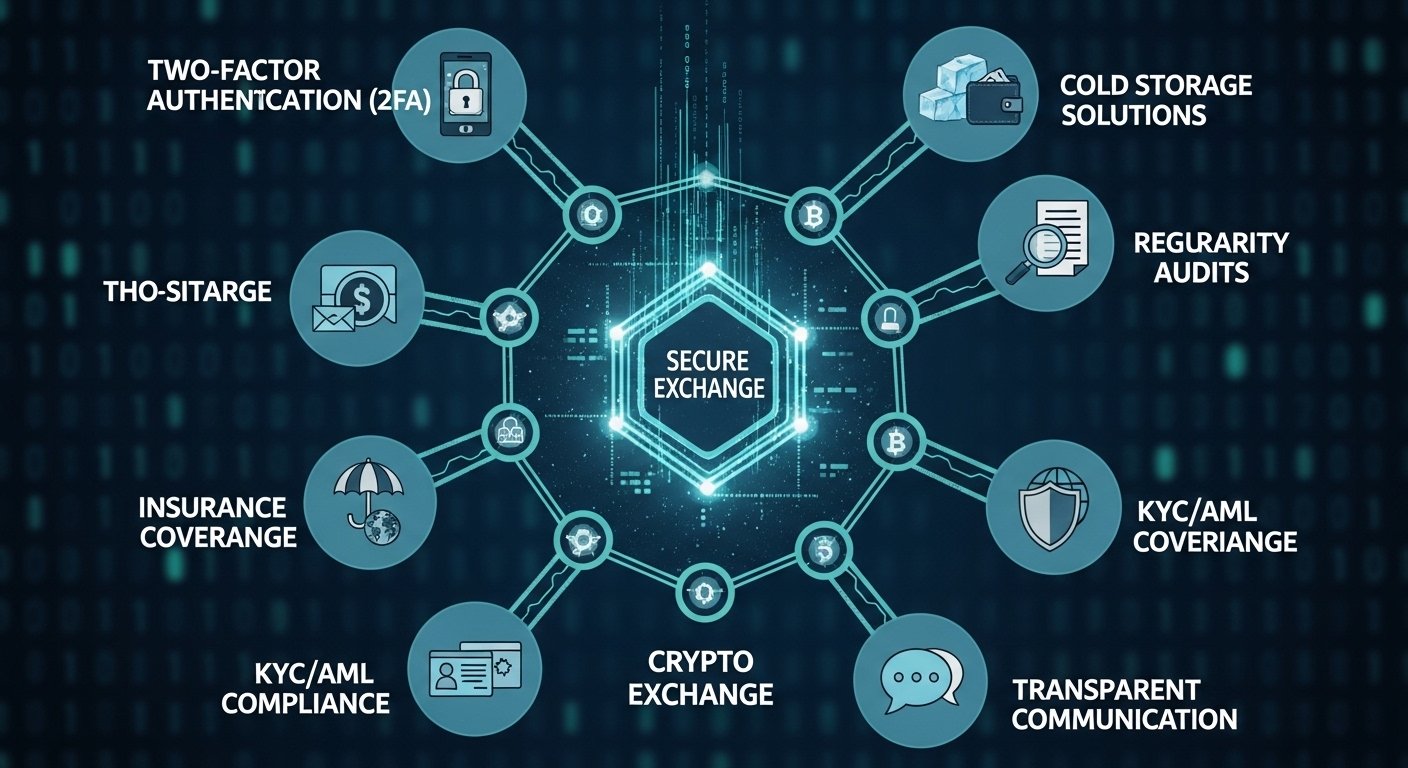
Next is operational discipline. Don’t log in on public Wi-Fi. Don’t click “exchange support” links from ads or DMs. Use bookmarked links to access the exchange website, and verify the domain every time. Finally, reduce exposure. Exchanges are useful, but they’re still online targets. If you don’t need an asset on the exchange, move it to your custody system. This single habit—minimizing idle exchange balances—has protected countless investors when platforms faced hacks or insolvency.
Crypto Scam Protection: Defending Against Phishing, Fake Apps, and Social Engineering
The most expensive attacks are often psychological. Attackers don’t need to break encryption if they can convince you to hand over access. Crypto scam protection starts with recognizing pressure tactics. Anyone demanding immediate action, secrecy, or urgent transfers is a red flag. Anyone claiming they can “recover lost funds” for an upfront fee is another. Anyone telling you to share a recovery phrase is almost certainly trying to steal from you.
Phishing protection is about controlling your exposure. Use a password manager so you don’t manually type credentials into fake sites. Avoid clicking wallet links from social media. If you’re searching for wallet downloads, use trusted sources and verify the publisher. Fake apps and cloned sites are extremely common.
DeFi users also need approval hygiene. Many wallet drains happen after users sign a malicious token approval or interact with a spoofed contract. You can reduce this risk by using a dedicated wallet for DeFi experimentation and keeping your vault wallet isolated. The key mindset for the best crypto security solutions for investors is simple: assume that anything online can be impersonated, and verify before you trust.
On-Chain and Account Monitoring: The Overlooked Security Layer
Prevention is ideal, but detection matters too. Investors who catch issues early can often limit damage, especially with exchange accounts or multi-step custody flows. On-chain monitoring tools and wallet notifications can alert you when funds move, when approvals change, or when an address interacts with a contract. That visibility helps you react quickly if something looks wrong.
Monitoring also includes your digital footprint. If your email is breached, you want to know fast. If someone attempts logins on an exchange, you want immediate alerts. If a phone number gets ported, you want to know before SMS-based recovery is abused. This is where SIM swap protection and secure recovery settings matter. The best setups pair strong prevention with practical detection. It’s not paranoia; it’s operational awareness. And it’s absolutely part of the best crypto security solutions for investors because it reduces the time between compromise and response.
Backup and Recovery: Seed Phrase Security Without the Panic
Backups are where many investors accidentally undermine themselves. They either keep no backup and risk permanent loss, or they store backups digitally and expose them to theft. Strong seed phrase security focuses on two goals: your backup must survive disasters, and it must be inaccessible to attackers. That usually means an offline approach, stored securely, with redundancy that matches your portfolio value.
Recovery planning is also about you in the future. If you’re traveling, sick, or stressed, will your recovery process still work? Have you tested it? Do you have a clear method for restoring a wallet without improvising? For higher-value investors, it’s common to combine offline backups with multi-device strategies like a multi-signature wallet or split-key approaches. The point isn’t to make things complicated—it’s to make loss unlikely, even if a single component fails. A calm, tested recovery plan is one of the most underrated best crypto security solutions for investors, because it prevents both theft and self-inflicted loss.
Advanced Security for High-Value Portfolios and Professionals
Once holdings grow, security becomes more like operations. At this level, investors often add separation of duties, dedicated devices, stricter access controls, and documented procedures. A common upgrade is using a dedicated “vault device” that never browses casually, never installs extra apps, and only interacts with crypto when necessary. Another upgrade is policy-based custody using multi-signature approvals or professional crypto custody providers.
Some investors also consider crypto insurance. Insurance can help in specific scenarios, but coverage varies widely depending on the provider and the custody model. The practical takeaway is to treat insurance as a supplement, not a substitute. The best crypto security solutions for investors still start with key control, safe approvals, and resilient recovery. Professionals also think about legal and estate continuity. If something happens to you, can trusted parties access assets without exposing everything to one person or one point of failure? This is where carefully designed multi-signature structures and documented processes shine.
How to Evaluate Security Solutions Without Getting Lost in Marketing
The crypto security market is noisy. Many tools claim to be “military-grade,” “unhackable,” or “the most secure.” Investors do better when they evaluate solutions by real-world outcomes. Ask whether the solution reduces your attack surface. Ask whether it prevents the most common failure modes: phishing, malware, SIM swaps, account takeovers, and seed phrase theft. Ask whether the recovery process is realistic. Ask whether it scales with your portfolio.
Also ask whether it fits your behavior. If a tool is so annoying that you’ll bypass it, it’s not protecting you. The best crypto security solutions for investors are the ones you can consistently use, because consistency beats theoretical perfection. A practical approach is choosing a strong long-term storage method, choosing a safer daily-use method, then adding monitoring and recovery planning. When those pieces work together, you can invest with confidence instead of constant fear.
Conclusion
Protecting crypto isn’t about one magic app. It’s a layered system that combines crypto wallet security, a hardware wallet for cold storage, strong two-factor authentication, careful seed phrase security, smart custody choices like crypto custody or institutional custody when appropriate, and real-world defenses like crypto scam protection and phishing protection. When these layers work together, you dramatically reduce the chance of a single mistake turning into a total loss.
If you want to invest with less stress and more certainty, start today by implementing the best crypto security solutions for investors: secure your accounts, separate your wallets by purpose, harden your recovery plan, and keep your long-term assets protected by design.