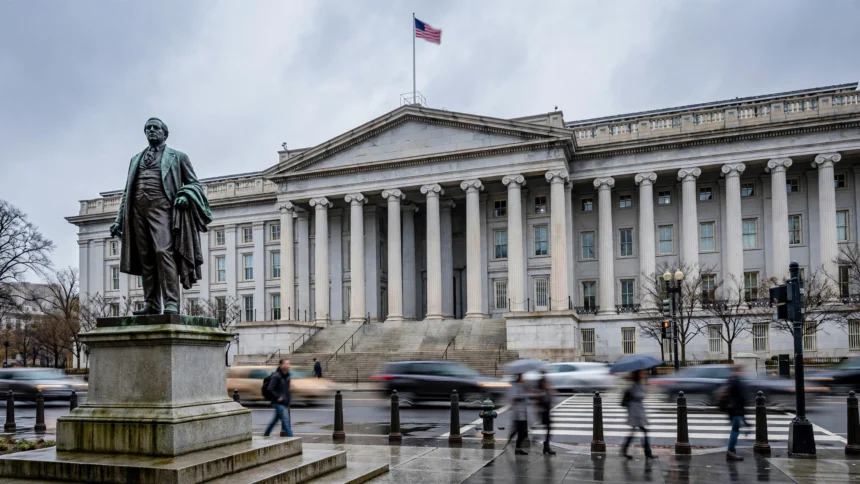
The U.S. Department of the Treasury’s Financial Crimes Enforcement Network (FinCEN) has issued an order cutting MEXC Global off from the U.S. financial system, after finding that the exchange facilitated at least $16 billion in illicit transactions connected to Iranian, North Korean and Russian sanctions evasion and cybercrime.
Summary
- FinCEN has ordered U.S. financial institutions to stop processing funds transfers involving MEXC Global under Operation Economic Outcast.
- Treasury says MEXC moved at least $16 billion in illicit funds between May 2021 and May 2026, including nearly $1.5 billion linked to Russian sanctions evasion.
- The order takes effect 30 days after publication in the Federal Register and has no end date.
- MEXC says it is operating normally, user assets remain secure, and it has begun an independent review of its AML and sanctions controls.
FinCEN order prohibits transfers to and from MEXC
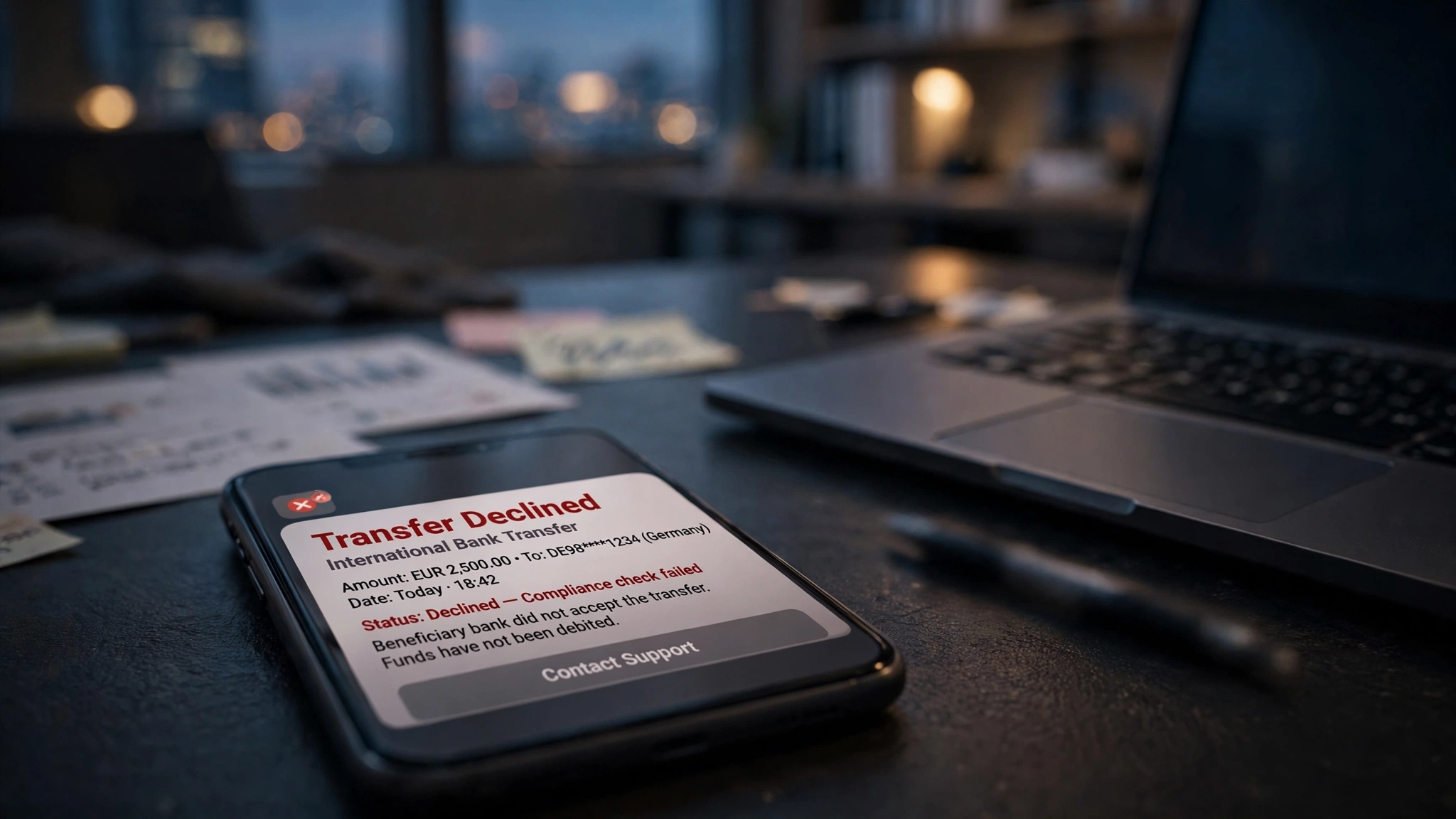
The order, issued on November 6 as part of Operation Economic Outcast, prohibits U.S. financial institutions from engaging in any transmittal of funds from or to MEXC Global, including transfers involving convertible virtual currency. It was issued under section 9714(a) of the Combating Russian Money Laundering Act, which FinCEN used to find MEXC Global a financial institution of primary money laundering concern in connection with Russian illicit finance.
The action is an administrative order, not an OFAC sanctions designation. MEXC has not been added to the sanctions list, no assets have been frozen, and the order does not make holding an account on the exchange illegal, according to Reuters. Violations of the order may result in civil or criminal penalties.
“Financial institutions cannot have it both ways: Either you support the Iranian regime, or you have access to the U.S. financial system,” Treasury Secretary Scott Bessent said in the announcement.
Treasury cites $16 billion in illicit transactions over five years
According to Treasury, MEXC Global facilitated the movement of at least $16 billion in funds connected to sanctions evasion, cybercrime and other illicit activity between May 2021 and May 2026. FinCEN’s order put the total for likely illicit activity at approximately $16.7 billion, BeInCrypto reported.
The total includes nearly $1.5 billion in transactions linked to Russian sanctions evasion, including $232 million in direct transactions with U.S.-, EU- and UK-sanctioned entities. Treasury said MEXC was still processing transactions with sanctioned Russian exchange Garantex and its successor Grinex as recently as June 2026, more than four years after Garantex’s April 2022 OFAC designation.
Treasury also said MEXC sent or received approximately $1 billion in direct transactions with more than 40 identified Iranian crypto exchangers, facilitated at least $26 million for the Russia-based A7 sanctions evasion network, and processed approximately $22 million in transactions for the Central Bank of Iran and the Islamic Revolutionary Guard Corps and its Qods Force.
MEXC Global was founded in 2018 and is incorporated in the Seychelles. Treasury said the platform processed more than $1 billion in daily transactions and held approximately $5 billion in reserves as of September 2026, ranking it among the world’s 20 largest crypto exchangers. Data from DefiLlama showed the exchange held about $4.48 billion in total assets as of Friday, according to Cointelegraph.
MEXC says operations are normal and user assets are secure
MEXC responded to the order in a statement on November 7, saying it is aware of the order and is reviewing it in coordination with its legal and compliance teams. The exchange said it is operating normally and that user assets remain secure.
MEXC said it takes the concerns seriously, intends to engage constructively with FinCEN and other regulators, and has begun an independent review of its anti-money laundering and sanctions controls. The statement did not address the specific transaction figures cited by Treasury.
MEXC cofounder Vugar Usi said the order only restricts certain fund transfers between MEXC and U.S. financial institutions, does not freeze or seize any assets held on the exchange, and that users can trade normally.
Ban takes effect 30 days after Federal Register publication
The prohibition is not yet in force. It takes effect 30 days after the order is published in the Federal Register, which had not happened as of Saturday, November 7, and it carries no end date. The order covers MEXC’s subsidiaries, branches and offices outside the United States, as well as any successor entity.
The MEXC action was announced alongside Treasury sanctions on eight Canadian money services businesses accused of facilitating transactions for sanctioned Iranian entities, as part of the wider Operation Economic Outcast campaign.