
Crypto moves fast, and so do attackers. If you’re holding Bitcoin, trading altcoins, using DeFi, or storing NFTs, choosing the best crypto security solutions is no longer optional, it’s the difference between staying in control and waking up to an empty wallet. Hacks today aren’t just “high-tech.” Many are simple, convincing scams that target weak passwords, leaked seed phrases, fake apps, and phishing links.
The good news is that crypto security can be straightforward when you build the right layers: secure wallets, strong authentication, verified software, smart transaction habits, and ongoing monitoring. In this guide, you’ll learn what truly works in real-world conditions, which security tools matter most, and how to combine them into a practical defense that fits your style, whether you’re a beginner, an active trader, or managing long-term holdings.
What Are the Best Crypto Security Solutions and Why They Matter
The phrase best crypto security solutions doesn’t refer to one magic product. It means a complete protection stack that reduces the chance of theft, prevents account takeovers, and limits damage even if one layer fails. In crypto, you are often your own bank. That’s empowering, but it also removes the safety nets people expect from traditional finance.
A strong security stack protects three key areas: your private keys, your identity, and your transaction intent. Private keys control funds. Identity controls accounts like exchanges, email, and cloud backups. Transaction intent ensures you don’t accidentally approve a malicious smart contract or sign a fake transaction. When you cover all three, your risk drops dramatically.
Modern threats commonly include crypto wallet security failures like exposed seed phrases, phishing protection bypasses through fake websites, “support” impersonation scams, malware that swaps wallet addresses, and risky permissions granted to DeFi apps. The best approach is layered security that stays usable, because security you can’t maintain eventually breaks.
Threats That Make Crypto Security Non-Negotiable
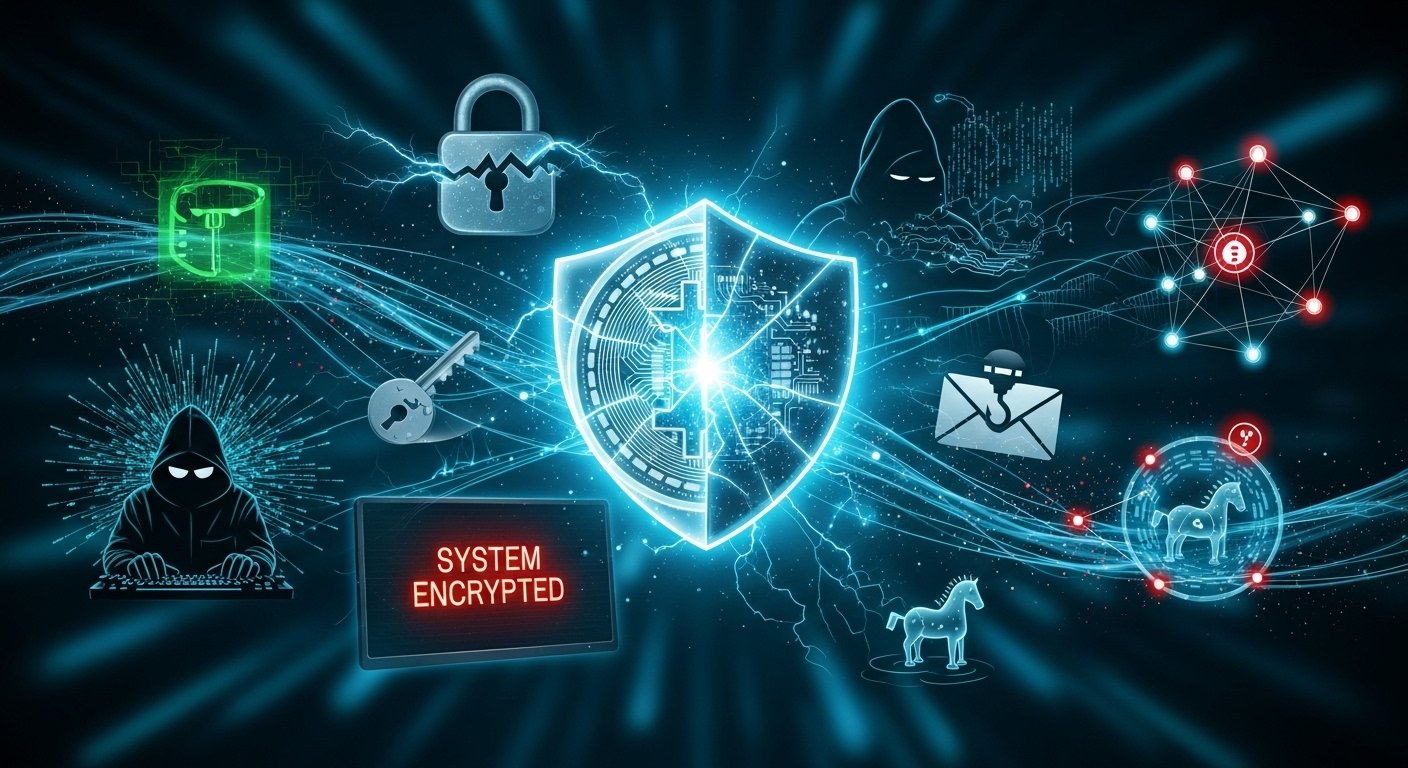
Crypto attackers rarely need to “crack the blockchain.” They target humans, devices, and accounts around the blockchain. Understanding the most common threat patterns helps you choose best crypto security solutions that actually reduce real risk.
Phishing, Impersonation, and Social Engineering
Phishing isn’t just email anymore. It’s fake exchange login pages, fake wallet update popups, Telegram “admins,” Discord DMs, sponsored search ads, and lookalike domains that differ by one character. Attackers want your seed phrase, your 2FA codes, or your approval on a malicious transaction. Strong anti-phishing habits and verified links are as important as any wallet.
Malware and Device-Level Attacks
A compromised device can steal clipboard contents, log keystrokes, inject fake browser extensions, and replace wallet addresses right before you send funds. This is why device hygiene and transaction verification are core crypto scam protection tactics.
Exchange Account Takeovers
Many users lose funds without any “hack” at all. Attackers reuse leaked passwords, bypass weak 2FA, hijack SIMs, or compromise email. If you trade, you need exchange security practices that assume your login is a target.
DeFi Drainers and Smart Contract Traps
DeFi expands opportunity, but it also expands attack surface. Malicious contracts can drain assets after a single approval. Even legitimate apps can be exploited. Solid DeFi security includes permission management, wallet segregation, and verifying contracts.
Core Components of a High-Protection Crypto Security Stack
The best crypto security solutions share one theme: they reduce single points of failure. Instead of trusting one device or one password, you spread risk across tools and habits that complement each other.
Hardware Wallets and Cold Storage
For long-term holdings, hardware wallet protection remains one of the most effective defenses. Hardware wallets keep private keys off internet-connected devices, which blocks a large class of malware attacks. Pairing a hardware wallet with cold storage practices, like offline seed phrase handling and minimized exposure, adds resilience. A key benefit is verification. When you confirm a transaction on a hardware wallet screen, you can spot address-swapping malware because you’re verifying on a trusted device rather than on a potentially compromised computer.
Secure Seed Phrase Protection
Seed phrases are the master key. If someone gets it, they can recreate your wallet anywhere. The most searched, high-intent topic in crypto security is seed phrase protection, and for good reason. A strong approach includes offline storage, careful physical security, and avoiding screenshots or cloud notes. Many losses happen because users store seed phrases in password managers incorrectly, save them in email drafts, or photograph them for “later.” Seed phrase handling is a major line between safe custody and disaster.
Multi-Factor Authentication That Can’t Be Easily Stolen
A password alone is not enough. For exchange and email accounts, the strongest daily option is app-based 2FA or security keys. SMS-based 2FA is better than nothing, but it can be attacked through SIM swaps. If you want best crypto security solutions for accounts, prioritize strong authentication and lock down account recovery paths.
Password Management and Unique Credentials
Password reuse is an attacker’s favorite shortcut. A strong password manager helps you create unique, long credentials and reduces the chance that a single breach cascades into multiple account takeovers. In crypto, this matters because your email is often the reset point for exchanges and custodial services.
Transaction Verification and Human-Safe Habits
Good security isn’t only tools. It’s also repeatable behavior. Verifying addresses, checking permissions, avoiding rushed approvals, and confirming official sources prevent many losses. The best tools still fail if you approve the wrong contract or sign the wrong message.
Best Practices for Wallet Security Across Hot Wallets and Cold Wallets
A balanced strategy uses different wallets for different activities. This is one of the most practical best crypto security solutions because it limits blast radius.
Hot Wallet Security for Daily Use
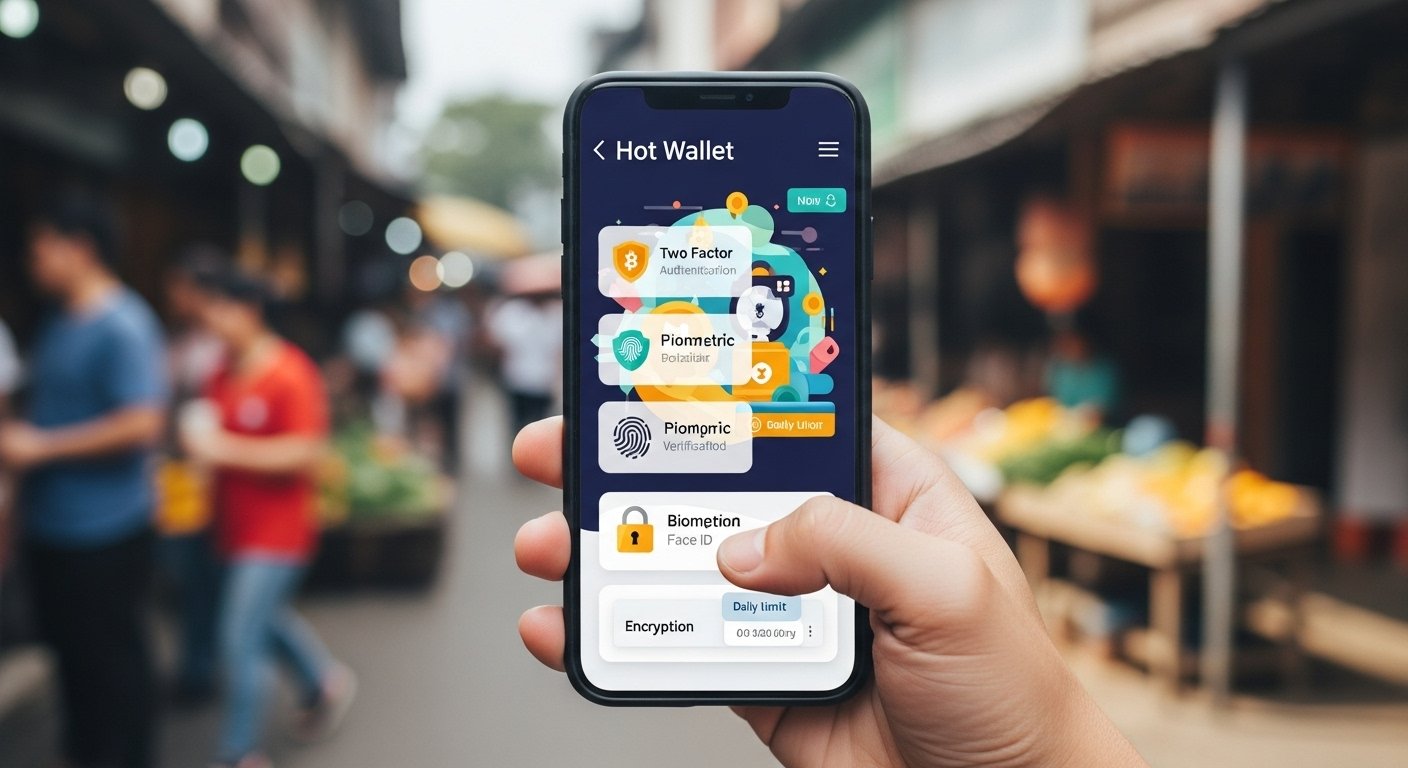
Hot wallets are convenient for DeFi, NFTs, and quick transfers. They should hold only what you can afford to risk. For strong crypto wallet security, keep hot wallets separate from long-term holdings, and avoid using the same wallet for every site and chain. Your browser environment matters. Many incidents start with a malicious extension or a fake wallet prompt. Keep your browser lean, install only trusted extensions, and treat unexpected popups as hostile by default.
Cold Wallet Security for Long-Term Holdings
For holdings you rarely move, cold storage reduces exposure. The goal is to keep keys away from daily browsing and app installs. When you do need to move funds, you can temporarily use a secure process, then return to offline posture. If you’re serious about crypto custody, the security mindset becomes similar to physical security. You protect the seed phrase from theft, loss, fire, and accidental exposure, and you plan for recovery without relying on cloud accounts.
Multi-Signature Wallets for Shared Control
A multi-signature wallet is one of the most powerful safeguards for larger amounts or shared custody because it requires multiple approvals to move funds. It reduces single-device and single-person failure. This is common in DAOs, businesses, and even families managing joint assets.
Exchange Security Solutions That Actually Reduce Risk
Many people trade on centralized exchanges, so exchange security deserves a dedicated layer. Exchanges can be safe to use, but they are high-value targets, and user accounts are frequently attacked.
Lock Down Email First
Your email is often the skeleton key. If an attacker controls your email, they can reset exchange passwords, approve withdrawals, and bypass alerts. Strengthen email login with strong 2FA, unique passwords, and secure recovery options. This is one of the most overlooked best crypto security solutions because people focus on the exchange and forget the email behind it.
Strengthen Withdrawals and Account Recovery
Use withdrawal allowlists when available, and turn on every relevant security control, including anti-phishing codes and login alerts. The goal is to create friction for attackers without creating chaos for you.
Separate Trading Funds From Holdings
If you trade actively, keep only trading balances on the exchange. This one habit prevents many catastrophic losses. It also simplifies your security model because exchange exposure becomes limited by design.
DeFi Security Solutions for Smart Contract Risk
DeFi is where many sophisticated thefts happen, including “drainers” that rely on users approving permissions. Solid DeFi security isn’t about paranoia, it’s about reducing unknown approvals and managing permissions like you would manage keys.
Use Wallet Segmentation
One wallet for experimenting, one wallet for regular DeFi, one wallet for long-term assets is a simple structure that dramatically reduces risk. If your experiment wallet gets drained, your long-term holdings remain untouched. This is a foundational best crypto security solutions principle: isolate risk.
Permission Management and Approval Hygiene
Many users forget they’ve granted unlimited token approvals to apps they used once. Over time, those approvals become hidden risk. Regularly reviewing and removing stale permissions is a practical step that fits real life, especially for people who bridge assets and try new protocols.
Smart Contract Audits and Risk Signals
Smart contract audits help, but they’re not a guarantee. A safer approach is to treat audits as one signal among many, alongside protocol reputation, time in market, transparent teams, bug bounties, and cautious position sizing. The goal is not “perfect safety,” it’s controlled risk.
The Human Factor: The Most Underrated Crypto Security Solution
The best security tools can’t protect you from every social trick. Attackers often win by creating urgency, fear, or excitement. This is why crypto scam protection is a mindset.
A simple rule saves people repeatedly: nobody legitimate will ever need your seed phrase. Not wallet support, not exchange support, not “verification,” not airdrop claims, not anyone. If someone asks for it, the conversation is over. Another high-impact habit is slowing down. Most scams rely on speed. If you pause, verify the domain, confirm the official channel, and check the contract address from a trusted source, you break the scam’s momentum.
How to Choose the Right Security Stack for Your Needs
There is no single “best” for every person. The best crypto security solutions depend on how you use crypto. If you mostly hold long-term assets, prioritize hardware wallet storage, secure seed phrase handling, and minimal exposure. If you trade frequently, prioritize exchange account security, email hardening, and withdrawal protections. If you live in DeFi, prioritize wallet segmentation, permission management, and transaction verification discipline. Your goal is to be consistent. A “perfect” plan that’s too complex gets abandoned. A good plan you actually follow is stronger than a complicated one you don’t.
Conclusion
Crypto security is not about being fearless, it’s about being prepared. When you layer strong wallet choices, protected seed phrases, hardened accounts, and careful transaction habits, you reduce your risk in a way that stays practical day after day. The real win is consistency: a security stack you follow beats a complicated one you abandon. If you want to protect your holdings with confidence, start upgrading today by building the best crypto security solutions for your personal use case, then revisit and strengthen your setup regularly as threats evolve.