If you’re juggling multiple wallets, exchanges, and tokens, the best crypto portfolio tracker tools can turn chaos into clarity. Instead of jumping between apps, spreadsheets, and block explorers, a solid tracker gives you a single dashboard for holdings, profit/loss, allocation, and performance—often with alerts, tax exports, and DeFi visibility.
Whether you’re a long-term holder who wants clean reporting, a DeFi user tracking positions across chains, or an active trader monitoring realized gains, the right tracker helps you make faster, calmer decisions. In this guide, you’ll learn what separates a “nice” tracker from a truly reliable one, which features matter most in 2026, and how to choose a tracker that fits your style—without overpaying or sacrificing privacy.
What a Crypto Portfolio Tracker Does (and Why It Matters)
A crypto portfolio tracker pulls your balances and transactions into one place so you can see your portfolio value, asset allocation, performance over time, and gains or losses. Most modern trackers support both automatic sync (via exchange APIs and wallet addresses) and manual entry. Some also provide real-time crypto prices, watchlists, alerts, and analytics that help you understand risk and exposure.
The reason these tools matter is simple: crypto gets fragmented fast. You might have BTC on a hardware wallet, altcoins on two exchanges, NFTs on a hot wallet, and liquidity positions on-chain. A quality tracker becomes your personal command center for crypto portfolio management, especially when volatility spikes and you need answers quickly. Industry roundups of top trackers consistently highlight features like exchange/wallet integrations, real-time updates, DeFi/NFT support, and tax reporting as key decision factors.
Best Crypto Portfolio Tracker Tools (Quick Comparison)
Below is a practical comparison of commonly mentioned options across recent “top tracker” roundups and reviews.
| Tool / App | Best For | Strengths You’ll Notice | Watch-Outs |
|---|---|---|---|
| CoinStats | All-around tracking | Polished UI, broad integrations, easy performance view | Premium features can be paywalled |
| Delta | Clean mobile experience | Strong design, good multi-asset feel | Some advanced crypto features vary by plan |
| CoinTracker | Taxes + mainstream simplicity | Strong tax workflows, popular in the US | Can get pricey for high transaction counts |
| Koinly | Tax reporting + imports | Great imports, tax forms, broad coverage | Interface is tax-first for some users |
| CoinTracking | Power analytics | Deep reporting, advanced analytics | UI can feel complex |
| Zerion | DeFi-first tracking | On-chain positions, DeFi dashboards | Best for DeFi; less “tax-first” |
| DeBank | DeFi + multi-chain visibility | Strong multi-chain DeFi monitoring | More “on-chain dashboard” than full tax suite |
| CoinMarketCap Portfolio | Lightweight tracking | Simple, familiar interface | Not as deep as dedicated trackers |
| Blockpit | EU-focused tracking + taxes | Strong tax features in supported regions | Best fit depends on your location |
| Kubera | Broader wealth view | Tracks crypto plus traditional assets | More “net worth” style than trader analytics |
(These tools frequently appear in “best tracker” lists for 2025–2026, though exact rankings vary by publisher and testing methodology.)
How to Choose the Right Best Crypto Portfolio Tracker Tools for You
Choosing the best crypto portfolio tracker tools isn’t about picking what’s most popular—it’s about matching the tool to your behavior.
Check DeFi, staking, and NFT coverage
If you touch DeFi, a normal crypto portfolio tracker app can feel “blind” unless it reads on-chain positions properly. A good DeFi portfolio tracker experience shows LP positions, lending/borrowing, and sometimes staking rewards. If NFTs matter, look for at least basic NFT floor/value visibility—just remember NFT valuation is inherently messy and often approximate. Recent review roundups increasingly separate “tax-first trackers” from “DeFi-first dashboards,” because they solve different problems.
Taxes and accounting: do you need “tax-ready” exports?
If you’re planning to file, you’ll want crypto tax software features: cost basis methods, capital gains reports, transaction labeling, and export formats that match your tax workflow. For many people, the “best” tracker is simply the one that makes tax season less painful.
Privacy and security should be non-negotiable
A tracker can’t help you if you don’t trust it. Prefer services that limit permissions for exchange API keys (read-only where possible), provide transparent security practices, and let you control what is shared. If you’re privacy-focused, consider tools that support manual entry or local-first approaches.
Best Crypto Portfolio Tracker Tools by Use Case
Different investors need different “best” answers. Here’s how to think about it in real life.
For beginners who want a simple crypto portfolio tracker app
If your goal is “one dashboard, no headaches,” look for a clean interface, easy onboarding, and dependable market pricing. Many users gravitate toward mainstream apps that make setup painless, especially if they only use one or two exchanges and a couple of wallets.
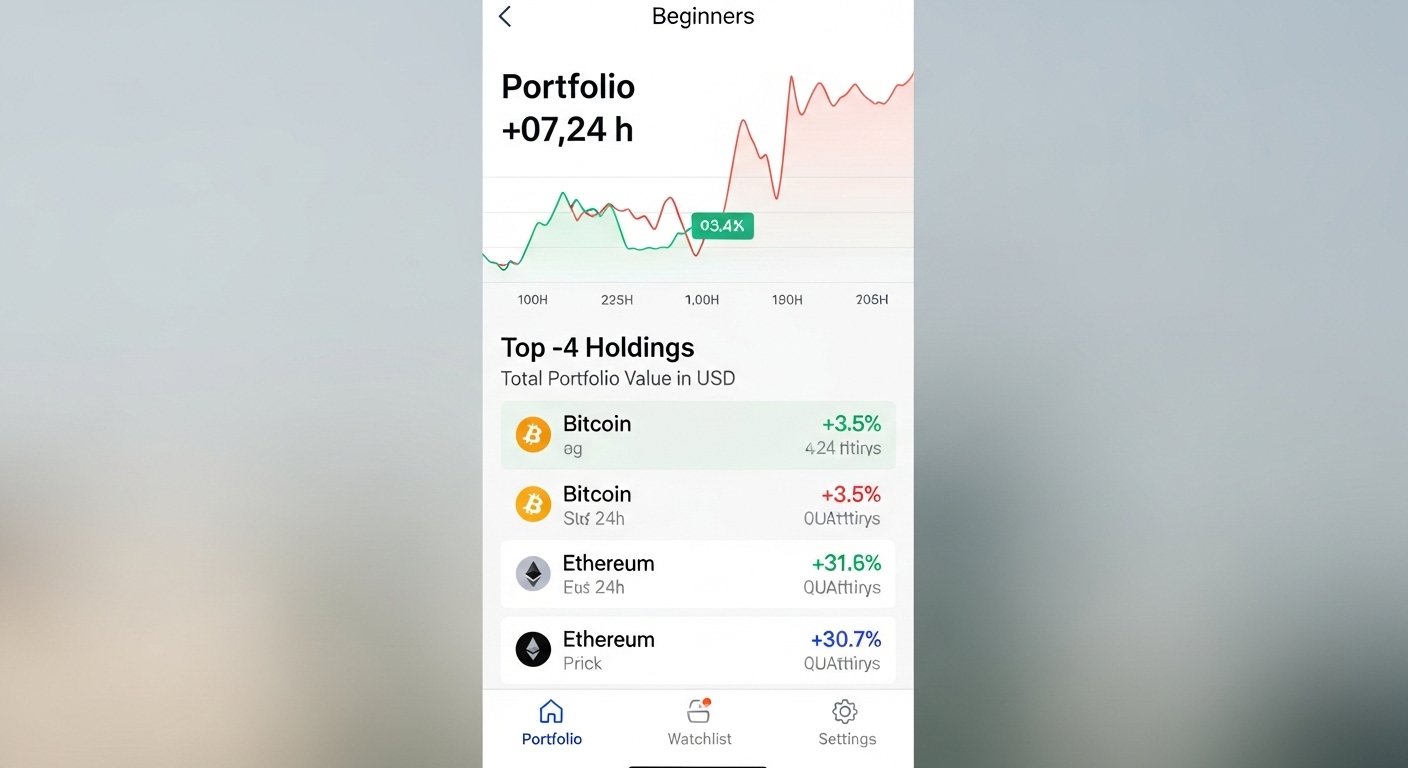
Search phrases that commonly align with this intent include best crypto portfolio tracker app, crypto portfolio tracker free, and Bitcoin portfolio tracker. (You’ll want the option to upgrade later if your activity grows.)
For active traders who want to track crypto profits precisely
Traders should prioritize realized/unrealized P&L, cost basis handling, lots, fees, and performance over time. You want a tool that doesn’t break when you have thousands of fills. If you’re serious about analytics, a tracker with deeper reporting can save hours each month—especially when you need to answer “What actually worked?” Roundups often highlight advanced reporting and tax-compatible exports as key value points for power users.
For DeFi users who need multi-chain visibility
If you’re bridging assets, farming, lending, or holding positions across chains, a DeFi-forward tracker matters. A strong DeFi portfolio tracker experience focuses on positions, protocols, and chains—often giving you a clearer view than a traditional exchange-centric app.
For investors who care most about taxes
If taxes are your biggest stressor, pick a tracker that treats taxes as a core product, not an afterthought. You’ll want imports that “just work,” clear error handling, and exports that match your filing approach. This is where crypto tax software style trackers can shine for many users.
(Several 2025–2026 “best tracker” guides explicitly rank tools based on tax features, integrations, and transaction processing scale.)
Features That Separate “Okay” Trackers From the Best Crypto Portfolio Tracker Tools
Here’s what genuinely moves the needle.
Accurate cost basis and transaction normalization
Crypto data is messy. A great tracker automatically pulls trades, deposits, withdrawals, and fees, then normalizes them into something you can trust. Weak trackers often mislabel transfers as sales, double-count deposits, or fail to match internal transfers between your own wallets and exchanges.
Alerts that help you act, not panic
Price alerts, allocation alerts, and “big move” notifications are useful when they’re configurable and specific. The goal is signal, not noise.
Clear portfolio performance analytics
You want performance that answers practical questions: How am I doing overall? What’s my best and worst performer? How concentrated am I? Did I actually outperform simply holding BTC and ETH? Strong analytics make your portfolio feel understandable.
Support for multiple exchanges, wallets, and chains
The best crypto portfolio tracker tools reduce friction as your portfolio evolves. Today it’s one exchange; next year it’s three exchanges, two hardware wallets, and on-chain positions. Choose something that can grow with you.
Conclusion
The truth is, the best crypto portfolio tracker tools are the ones that match how you actually invest—whether that’s long-term holding, active trading, DeFi, NFTs, or tax-focused reporting. Pick a tool that fits your workflow today, but won’t punish you when your portfolio grows tomorrow. If you want fewer surprises, clearer performance tracking, and a calmer investing routine, start testing two or three best crypto portfolio tracker tools this week with your real wallets and exchanges—and keep the one that stays accurate, fast, and easy to trust. If you want, tell me whether you trade frequently, use DeFi, and which exchanges/wallets you use—then I’ll recommend the best crypto portfolio tracker tools for your exact setup.