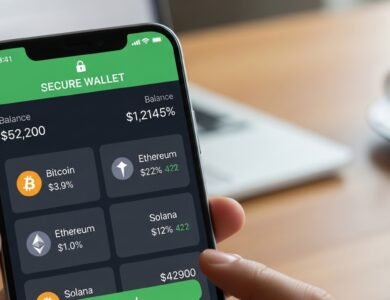
Best secure crypto wallet app is no longer just a “nice to have.” It’s the foundation of protecting your Bitcoin, Ethereum, and other digital assets from hacks, phishing, SIM swaps, and simple human error. With crypto adoption growing and scammers becoming more sophisticated, your wallet choice matters as much as the coins you buy.
A truly secure crypto wallet doesn’t only look polished—it helps you keep control of your private key, protects your seed phrase, and gives you safe ways to approve transactions in a fast-moving Web3 wallet world. In this guide, you’ll learn what security features actually matter, how custodial vs non-custodial wallet apps compare, which wallet apps are commonly considered top options, and how to set up stronger protection habits that reduce risk long-term.
What “Best Secure Crypto Wallet App” Really Means
When people search for the best secure crypto wallet app, they often mean one of two things: the safest way to store crypto, or the easiest wallet that feels safe. The truth is that “best” depends on how you use crypto. A long-term holder needs a different setup than a daily trader, and a DeFi user has different risks than someone who only buys Bitcoin monthly.
A crypto wallet app is essentially a tool for managing keys and signing transactions. Your coins live on the blockchain, not inside the app. The wallet is your gateway—so the real question is how securely the app helps you manage access.
Security isn’t one feature; it’s a system. A strong secure crypto wallet combines reliable key management, safe transaction signing, strong device protections, and clear recovery options. The best apps also reduce mistakes by warning you about risky approvals and suspicious addresses.
Custodial vs Non-Custodial: The First Decision
A custodial wallet means a company holds the keys. It can be convenient, but it adds trust risk. A non-custodial wallet (also called a self-custody wallet) means you control the keys, usually via a seed phrase. This is the default path for people who want maximum control and censorship resistance, but it also puts more responsibility on you. If your goal is truly the best secure crypto wallet app, most security-focused users lean toward non-custodial wallet apps, ideally paired with a hardware wallet for larger balances.
Why Crypto Wallet App Security Matters More Than Ever
Scams today are engineered, not random. Attackers don’t always “hack” the blockchain—they trick users into signing malicious approvals. That’s why modern wallet security is as much about preventing bad signing as it is about storing keys safely.
Phishing sites can mimic real brands in seconds. Fake customer support accounts can pressure you into revealing your seed phrase. Malicious smart contracts can drain tokens after one careless approval. A serious bitcoin wallet app or ethereum wallet app needs to support safer transaction flows, not just basic sending and receiving.
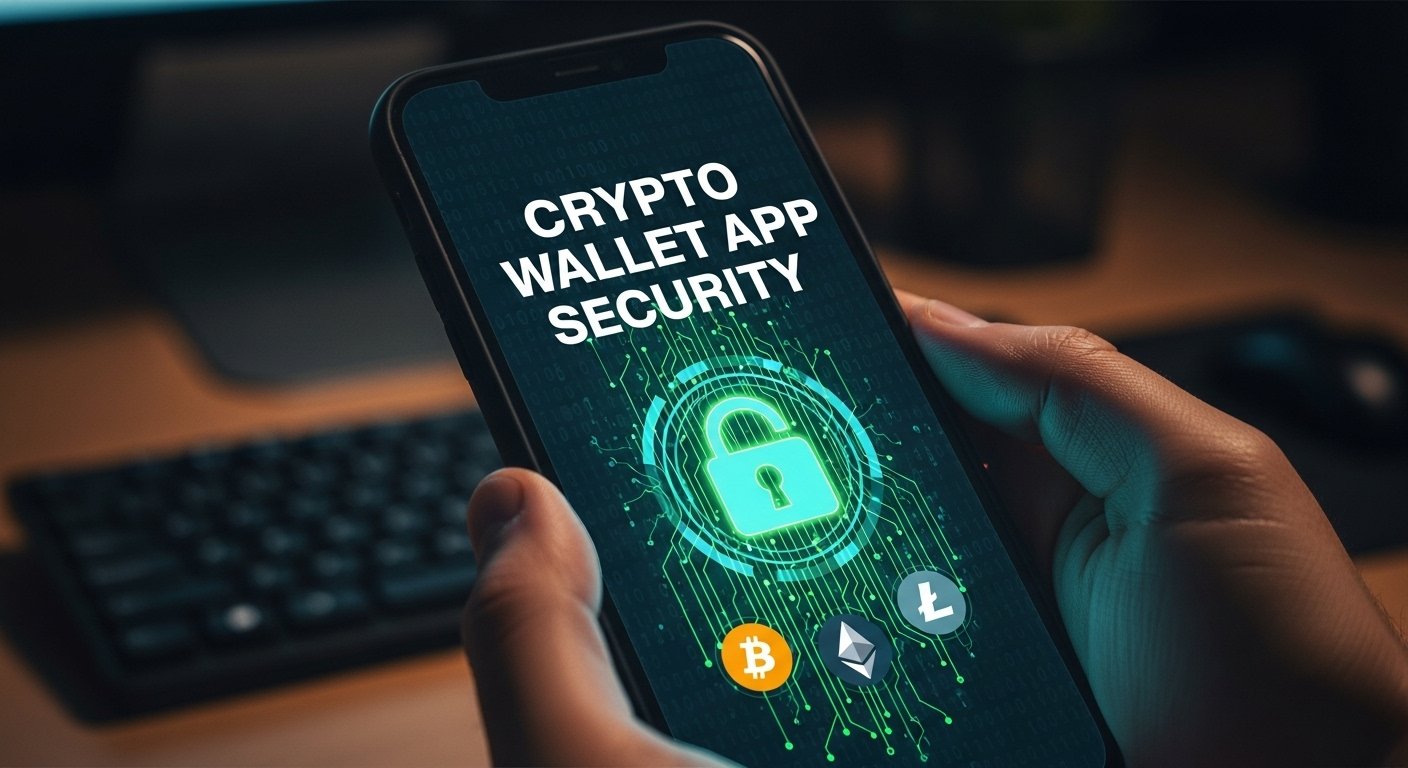
Another reason security matters is device risk. Your phone is a powerful computer that runs many apps. If it’s infected, rooted, jailbroken, or exposed to risky downloads, your wallet’s protection may be weakened. The best crypto wallet approach assumes your device can be attacked and still tries to keep you safe.
Best Secure Crypto Wallet App Features That Actually Protect You
The fastest way to find the best secure crypto wallet app is to evaluate specific protections. Marketing phrases like “military-grade security” don’t help. Practical features do.
Private Key Control and Self-Custody Options
For most serious users, self-custody is central. A good self-custody wallet keeps key material protected on-device and never uploads your private key or seed phrase to the cloud by default. It also makes the recovery process very clear, with strong warnings that no one should ever ask for your recovery phrase.
Biometric Security and Device-Level Encryption
Biometrics are not magic, but they add useful friction. A solid secure crypto wallet integrates with your phone’s secure enclave or trusted execution environment when possible and supports biometric unlock combined with a strong device passcode.
Transaction Safety: Clear Signing, Warnings, and Address Checks
This is where many losses happen. The best wallet apps make it obvious what you’re approving, especially on smart-contract networks. If you use a DeFi wallet or Web3 wallet, you want an app that helps you avoid blind signing, highlights suspicious approvals, and makes it easy to verify the receiving address.
Backup and Recovery That Doesn’t Create New Risks
Recovery is essential, but it’s also a common failure point. Some people store a seed phrase in screenshots, notes apps, or email drafts, and that’s exactly what attackers look for. The strongest setups use offline storage for recovery phrases and add extra safeguards like passphrases or multi-factor controls where available.
Open Security Practices and Regular Updates
You don’t need to be a developer to benefit from transparency. Wallets that publish security audits, maintain clear update histories, and respond quickly to reported vulnerabilities tend to be safer over time. A wallet that rarely updates can become risky simply because threats evolve.
Popular Wallet Apps Often Considered “Best” and How to Think About Them
People searching “best crypto wallet” often see the same names across the first page of Google. Instead of pretending there is one perfect answer for everyone, it’s smarter to match wallet strengths to your use case.
Wallet Apps Commonly Chosen for Multi-Chain Convenience
Many users prefer a multi-chain wallet that supports several networks, tokens, and basic swaps. These wallets can be a good fit if you want a single crypto wallet app for daily use, especially for smaller balances and frequent transfers. The security tradeoff is that more features can mean more complexity. Complexity isn’t always bad, but it increases the importance of clear signing and phishing protection.
Wallet Apps Popular for Ethereum and Web3
If your main activity involves Ethereum, Layer 2s, dApps, and token approvals, a dedicated ethereum wallet style app is often the right tool. The best Web3 wallet experience is one that makes approvals understandable and reduces blind signing. In DeFi, “secure” often means “hard to trick.”
Wallet Apps Known for Simple UX and Beginner Onboarding
Some wallet apps are designed for people new to crypto. If you’re a beginner, clarity is security. A beginner-friendly bitcoin wallet app that teaches you what a seed phrase is and forces you to confirm backups can be safer than a complex wallet that assumes expertise.
Hardware Wallet Pairing for Maximum Protection
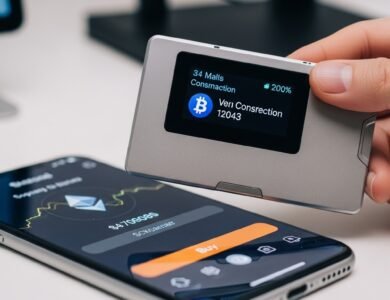
If you hold meaningful amounts, the gold standard is pairing a mobile or desktop wallet interface with a hardware wallet. This turns your setup into a practical cold wallet style approach for signing, because the private keys remain on the hardware device. Even if your phone or computer is compromised, a hardware wallet can significantly reduce the chance of unauthorized spending.
The most realistic “best” setup for many people is a two-wallet strategy: one daily-spend wallet app with limited funds, and one long-term storage approach with hardware signing.
Best Secure Crypto Wallet App for Different User Types
If you want the best secure crypto wallet app, it helps to start with your behavior rather than the brand name.
For Long-Term Holders
Long-term holders benefit from fewer approvals and fewer daily interactions. Here, the priority is robust recovery, minimal exposure, and ideally a hardware wallet. A simpler interface can still be fine if it supports secure signing and safe receiving.
For DeFi and NFT Users
DeFi users need a DeFi wallet and NFT wallet experience that’s built for smart-contract risk. You want strong permission management habits, frequent review of token approvals, and extra care around dApp connections. A major part of DeFi security is learning to say “no” to suspicious approvals, even when the website looks legitimate.
For Frequent Traders
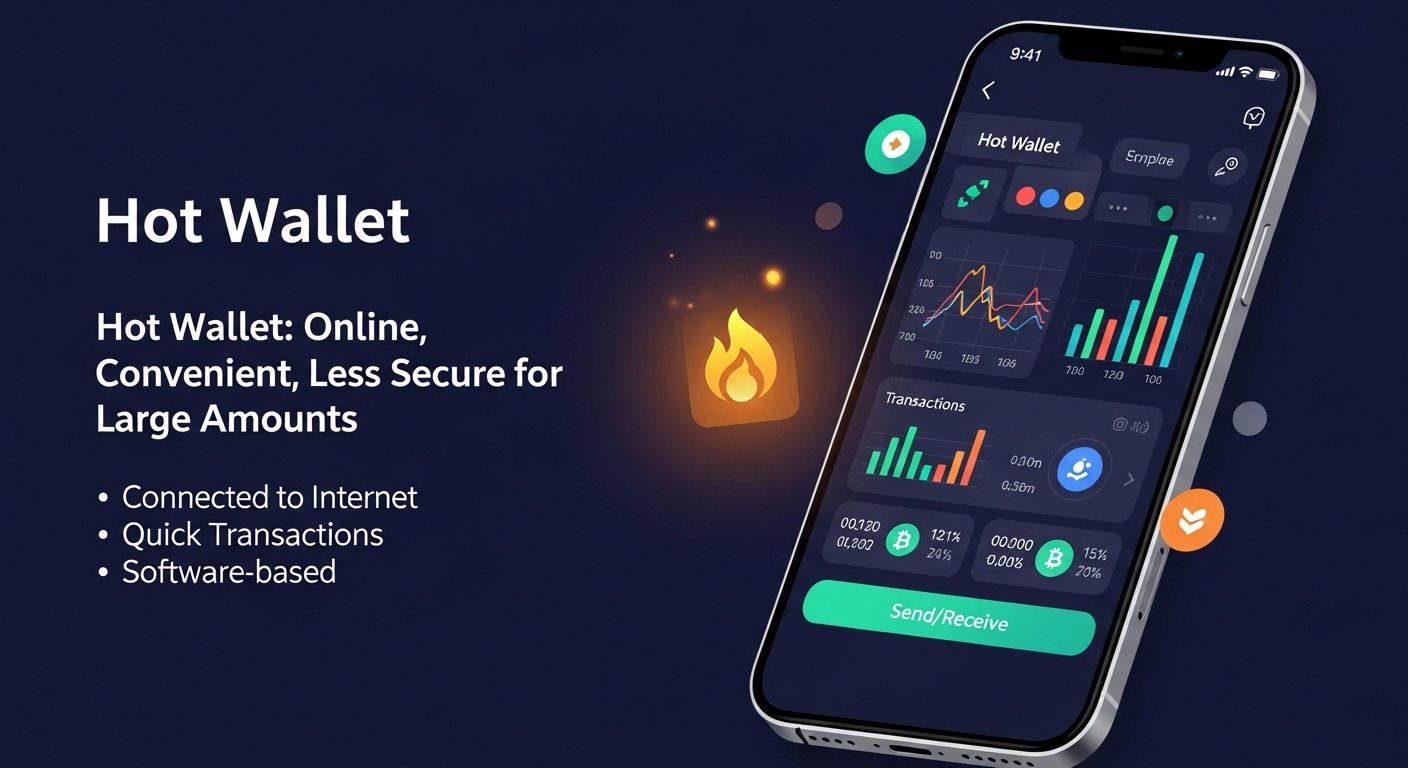
Traders prioritize speed, but speed can create mistakes. The best path is to keep only active funds in a hot wallet app and keep reserves in a more protected setup. Your secure crypto wallet choice should make address verification easy, reduce copy-paste errors, and support secure logins and device protections.
For Beginners
Beginners should prioritize education built into the wallet experience. The best secure crypto wallet app for a beginner is the one that makes it hard to mess up the backup and hard to fall for basic support scams. If a wallet app encourages unsafe backups, it’s not the best choice for learning.
Security Setup Checklist You Can Apply to Any Crypto Wallet App
Even the best secure crypto wallet app can’t protect you if your setup habits are risky. Your goal is to remove single points of failure. Start by securing the phone itself. Use a strong passcode, keep the OS updated, and avoid installing sketchy apps. Treat your wallet device like a vault, not a toy.
Next, handle recovery correctly. Write your seed phrase on paper or store it in a dedicated offline method. Do not store it in cloud notes, screenshots, email, or chat apps. If someone gets your recovery phrase, they effectively become you. Then, reduce phishing risk. Always verify the website domain before connecting your Web3 wallet. Avoid clicking wallet links from ads or random DMs. If you use DeFi, consider using a separate browser profile or device for crypto activity.
Finally, keep funds separated. A daily wallet holds spending money. A storage wallet holds savings. This simple separation drastically reduces damage if your daily wallet gets compromised.
Conclusion
Choosing the best secure crypto wallet app is not about chasing hype—it’s about matching security features to your real-life behavior and reducing the ways you can be tricked. Look for true non-custodial wallet control when you want self-custody, prioritize clear transaction signing if you use DeFi, and consider a hardware wallet or cold wallet approach for long-term holdings. Then lock in strong habits: protect your seed phrase, secure your phone, verify domains, and separate daily funds from savings. If you’re ready to level up your security today, pick the best secure crypto wallet app for your use case, set it up with a safe offline backup, and start managing your crypto with confidence.