
Bitcoin is once again attracting attention from global investors after months of lagging behind traditional financial markets. According to a recent report by CoinDesk, analysts now believe Bitcoin could be preparing for a new phase of outperformance against both stocks and bonds as macroeconomic conditions shift in favor of digital assets. The changing market environment includes rising inflation concerns, elevated bond yields, geopolitical uncertainty, and weakening confidence in traditional investment vehicles.
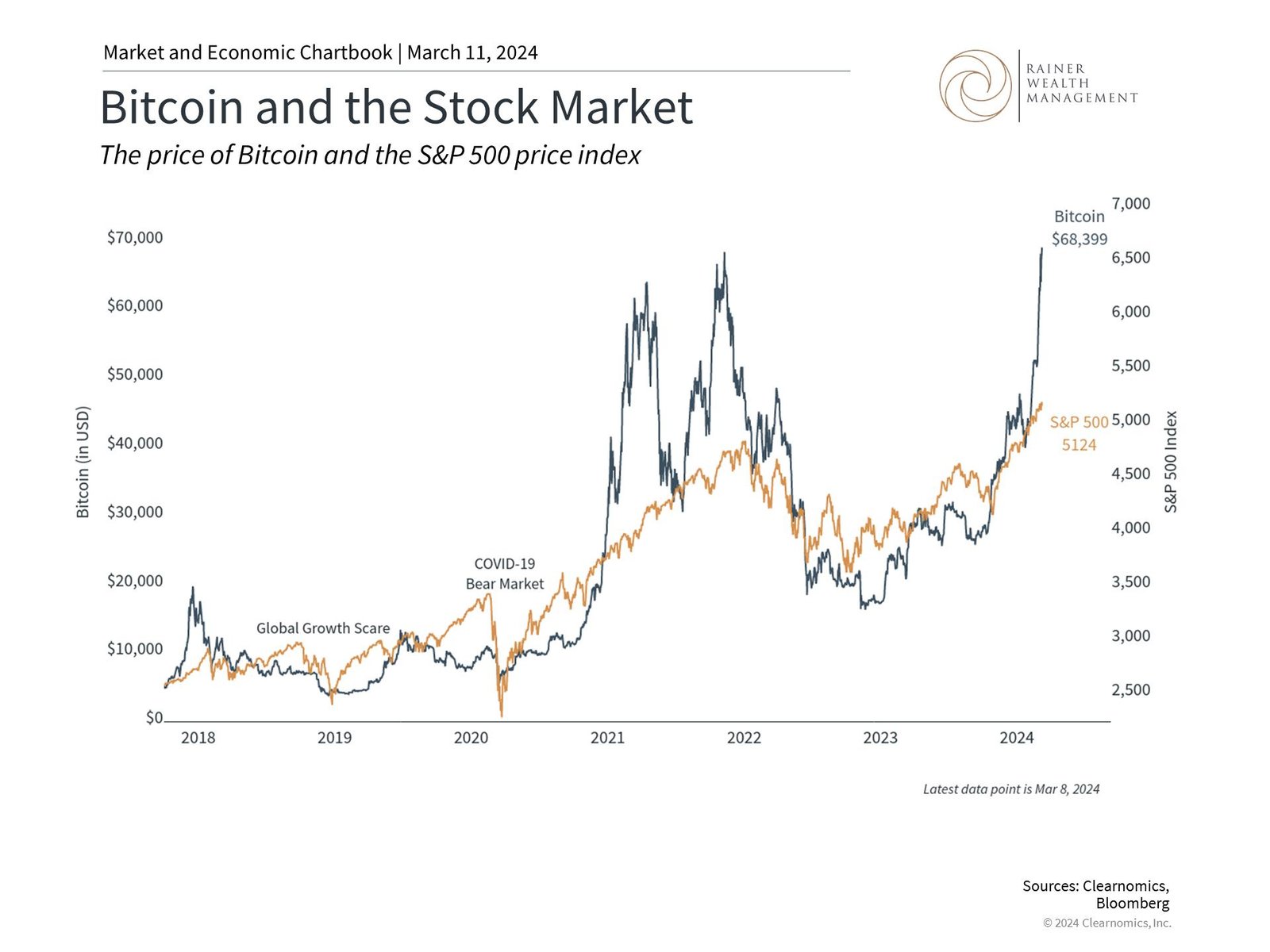
For much of the previous year, Bitcoin struggled to keep pace with major Wall Street benchmarks like the S&P 500. Investors favored equities and safer fixed-income assets while crypto markets dealt with regulatory concerns, ETF volatility, and reduced speculative appetite. However, recent developments suggest the tide may be turning again. Analysts argue that Bitcoin’s decentralized structure and limited supply could make it increasingly attractive during periods of economic stress.
Bitcoin’s Longest Period of Underperformance
One of the key points highlighted in the CoinDesk report is that Bitcoin recently ended its longest-ever stretch of underperformance against the S&P 500. The period reportedly lasted 142 days before finally breaking in early May 2026. Market strategist Mark Connors, Chief Investment Officer at Risk Dimensions and former Credit Suisse executive, explained that this prolonged weakness may have reset the market for a stronger recovery phase.
Historically, Bitcoin has often gone through cycles where it temporarily lags traditional assets before eventually outperforming them during periods of financial instability or monetary expansion. Connors believes a similar pattern may now be developing again as cracks begin to appear in traditional financial markets.
The recent rebound in Bitcoin sentiment comes as investors reassess the future outlook for equities and bonds amid concerns about persistent inflation and higher interest rates.
Rising Bond Yields Are Hurting Traditional Markets
A major factor driving renewed Bitcoin optimism is the sharp rise in global bond yields. Higher Treasury yields typically pressure both stocks and bonds because borrowing costs increase and future corporate earnings become less attractive. According to reports from financial analysts, the U.S. 10-year Treasury yield recently climbed toward 4.6%, creating fears of a broader market correction.
Morgan Stanley strategist Michael Wilson warned that stock markets could face a “meaningful correction” if yields continue rising. This environment weakens traditional portfolio allocations because bonds lose value when yields rise, while equities suffer from tighter monetary conditions.
In contrast, Bitcoin is increasingly viewed by some investors as an alternative asset class that may perform independently from traditional markets. While Bitcoin is still considered volatile, supporters argue that it can benefit during periods when confidence in government debt and fiat monetary policy weakens.
Inflation and Oil Prices Strengthen Bitcoin’s Narrative
Another major theme supporting Bitcoin’s bullish outlook is inflation. Persistent inflationary pressures continue to challenge central banks worldwide, especially as energy prices remain elevated due to geopolitical tensions and supply chain disruptions. Higher oil prices often feed broader inflation across economies, making it harder for central banks to reduce interest rates quickly.
Bitcoin supporters frequently describe the cryptocurrency as “digital gold” because of its fixed supply of 21 million coins. Unlike fiat currencies, which central banks can expand through monetary policy, Bitcoin’s scarcity is mathematically enforced. During periods of inflation, this scarcity becomes an important part of the investment narrative.
Analysts believe that if inflation remains sticky while economic growth slows, investors could increasingly shift capital toward scarce digital assets such as Bitcoin. This would especially apply if traditional bonds continue delivering poor real returns after inflation adjustments.
Geopolitical Tensions and Safe-Haven Demand
Global geopolitical tensions are also playing an important role in shaping investor sentiment. The ongoing instability surrounding Middle East conflicts and broader global uncertainty have increased volatility across financial markets. Traditionally, investors move toward safe-haven assets like gold during uncertain times. However, some analysts now believe Bitcoin is beginning to establish itself as an alternative safe-haven asset.
Research cited by CoinDesk indicates that Bitcoin has historically rebounded strongly after major global shocks. While the cryptocurrency may initially decline during periods of panic-driven liquidity selling, it often recovers faster than traditional assets afterward.
At the same time, gold has recently outperformed Bitcoin in some phases of market stress, highlighting the competition between the two assets for investor attention. Still, long-term crypto investors argue that Bitcoin’s portability, decentralized structure, and growing institutional adoption give it advantages that traditional commodities cannot match.
Institutional Interest Remains Strong
Despite periods of volatility, institutional interest in Bitcoin continues to grow. Large financial firms, ETF providers, hedge funds, and corporate treasuries remain involved in the crypto market. Analysts note that institutional adoption has fundamentally changed Bitcoin’s market structure compared to previous cycles.
Bitcoin exchange-traded funds (ETFs) have made it easier for traditional investors to gain exposure to crypto without directly managing wallets or private keys. Although ETFs recently experienced significant outflows during periods of market weakness, long-term adoption trends remain positive.
Meanwhile, major discussions surrounding future technology IPOs, artificial intelligence expansion, and tokenization are further integrating digital assets into mainstream financial conversations. Analysts such as Tom Lee argue that investor demand for alternative assets remains extremely strong, even as broader markets evolve.
Bitcoin’s Correlation With Traditional Markets
One challenge for Bitcoin’s “digital gold” thesis has been its increasing correlation with traditional financial markets. In recent years, Bitcoin has sometimes traded similarly to technology stocks and risk assets rather than acting independently.
For example, CoinDesk recently reported that Bitcoin’s correlation with the Japanese yen reached record levels earlier in 2026, reflecting how global macroeconomic forces now strongly influence crypto trading behavior.
However, analysts believe Bitcoin could gradually decouple again if confidence in sovereign debt markets deteriorates further. Should inflation remain elevated while equities struggle under high rates, Bitcoin may regain its role as a macro hedge rather than simply another speculative technology asset.
Market Risks Still Remain
Despite bullish predictions, risks remain significant for Bitcoin investors. The cryptocurrency market continues to face volatility, regulatory uncertainty, and liquidity concerns. Spot trading volumes have declined in recent months, while ETF outflows indicate that some institutional investors remain cautious.
In addition, rising interest rates can still pressure speculative assets broadly, including cryptocurrencies. If economic conditions worsen dramatically or central banks tighten policy more aggressively, Bitcoin could face additional downside volatility before establishing a sustained bullish trend.
There are also concerns regarding quantum computing risks, stablecoin liquidity, and slowing speculative participation across crypto markets. These issues could influence investor confidence over the coming months.
Conclusion
Bitcoin appears to be entering a potentially important turning point after months of underperformance relative to Wall Street markets. Analysts increasingly believe that rising bond yields, persistent inflation, geopolitical instability, and weakening confidence in traditional assets may create conditions favorable for Bitcoin’s next phase of growth.
While volatility and risk remain part of the cryptocurrency landscape, Bitcoin’s unique combination of scarcity, decentralization, and institutional adoption continues to attract investor interest worldwide. If traditional markets remain under pressure, Bitcoin could once again emerge as one of the strongest-performing alternative assets in the global financial system.